
Starting a cold start diesel engine in the winter can be a real challenge. Diesel engines rely on heat and compression to burn fuel. Therefore, freezing temperatures cause a problem for sure.
If you try forceful starts, you can damage your engines. But don’t worry! In this post, we’ll give 12 practical tips for starting your diesel engine smoothly in cold weather. They will help your vehicle run strong throughout winter.
Why Diesel Engines Struggle in Cold Weather
Diesel engines use high compression to ignite the fuel-air combination. When temperatures drop, the diesel fuel thickens, batteries degrade, and the air inside the cylinders becomes too cold to burn properly.
Cold weather also thickens the oil, which slows lubrication and increases wear. That is why cold start diesel engine can be difficult and even harmful if you do it wrong.
12 Useful Tips On Cold Start Diesel Engine
It is not difficult to start your diesel correctly. Just follow the simple tips below, and you will see the results.
-
Let The Engine Warm Up First
You need to give your diesel engine time to warm up for a few minutes before driving. Letting it idle for 5 to 10 minutes will allow the oil to circulate smoothly and reach all engine components.
Just a short wait can make a big difference in engine start and protection in cold weather.
-
Keep Your Diesel Engine In A Warm Place
Always try to store your diesel vehicle in a warm, sheltered area such as a garage, barn, or shed. Even a few degrees can make a significant impact when attempting to start a cold engine.
Storing your engine away from snow and freezing winds helps to keep fuel flowing and fluids from thickening. If you have a block heater, set it on a timer to warm up the engine a few hours before usage.
This easy procedure will save you time on cold mornings.
-
Keep The Fuel Tank Full
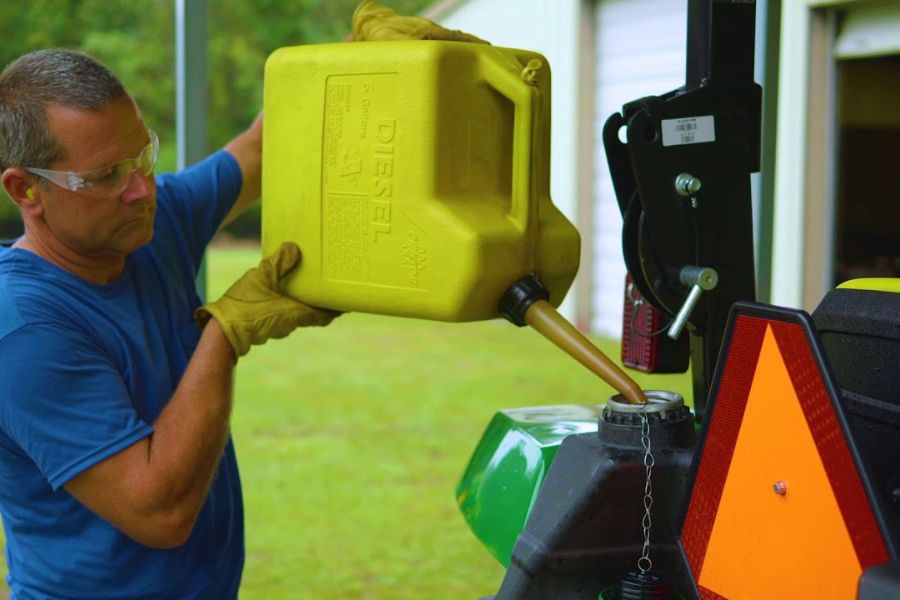
A simple yet effective winter tip: always keep your gasoline tank as full as possible. When the tank is not full, moisture might accumulate within and eventually freeze. And this results in clogged lines or gelled fuel.
A full tank also helps to maintain proper fuel pressure, making cold starts easier. If possible, refill your tank in the evening to avoid overnight moisture buildup.
Bonus tip: Keep your spare gasoline containers in a warm place. This will prevent condensation before refilling your vehicle in the morning as necessary.
-
Heating Your Engine
When temperatures decrease, heating your engine is very important to keep your diesel operating properly. There are some effective ways you can try to deal with cold start diesel engine:
- Electric block heater: A heater will warm the engine coolant. From that, this heats the engine block and oil, and makes it easier to start.
- Glow plugs: They heat the combustion chamber, allowing cold diesel fuel to burn correctly. Without this phase, cold fuel may not fully evaporate. This results in poor combustion and engine strain.
- Battery tender: This keeps your battery charged and cranking during frigid temperatures.
- Diesel-fired coolant heater: If electricity is not available, a coolant heater is an excellent option for preheating your engine anywhere.
Remember, patience is key. Before winter arrives, always check your battery cables and glow plugs. Replace any damaged parts to avoid problems when starting your engine.
-
Use Blend Fuel For Winter

During the winter months, switching to winter mix diesel fuel is one of the simplest and most effective methods you can try.
Winterized fuel is particularly manufactured to withstand low temperatures. It is thinner, less likely to gel, and flows more smoothly through your engine and filters.
When the weather becomes colder, most gas stations and service stations will have winter mix fuel.
-
Consider Changing The Fuel Filter
Before winter sets in, you should check and change your diesel fuel filter if necessary. Filters can accumulate debris, wax, and moisture over time.
This will cause fuel flow to freeze or become blocked as temperatures drop. A clean filter ensures that fuel flows smoothly through the system, even in cold weather.
Pro tip: Have a spare gasoline filter on hand during the winter. If your present one freezes, replacing it is far faster and easier than attempting to thaw it.
-
Turn Off Non-essential Components
When starting your diesel engine in frigid temperatures, every bit of battery juice counts. So, turn off any non-essential items before turning the key.
Phone chargers, radios, heaters, air conditioners, and even headlights can drain electricity from the glow plugs.
When you turn them off, your battery can concentrate solely on starting the engine. Once the engine is running smoothly, you can safely turn on your accessories again.
It’s a simple trick, but it might be the difference between a successful start and an unpleasant morning spent in the cold.
-
Check The Coolant
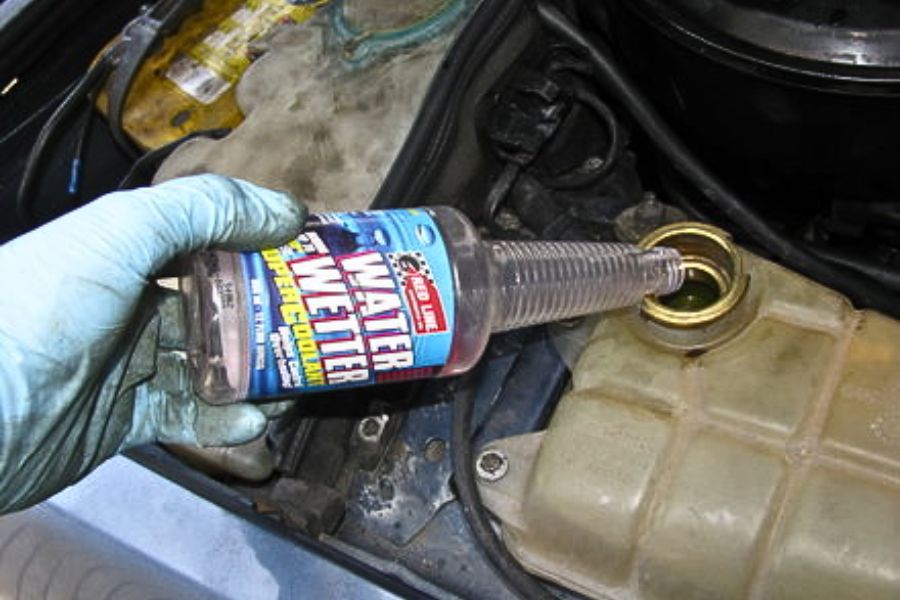
Your diesel engine’s coolant not only prevents overheating, but it also keeps the engine from freezing in the winter. This is why it is important to check your coolant level frequently during the colder months.
Low or weak coolant prevents normal circulation. This might result in thickened fluids or broken engine parts.
Always ensure that your coolant is filled to the correct level and blended properly. Most diesel engines benefit from a 50/50 combination of water and antifreeze.
Top tip: Remember, never fill your coolant with plain water, as it may freeze inside the system and cause serious damage.
-
Change The Oil Regularly
In cold weather, diesel engine oil thickens, making it more difficult to start your engine and get oil to all moving parts. To avoid this, change your oil regularly, especially before the winter season begins.
Fresh, high-quality oil provides adequate lubrication and lowers friction during cold starts. When temperatures drop, consider switching to a lighter or winter-grade oil.
Keeping up with oil changes is one of the simplest methods to extend the life of your diesel engine.
-
Use The Right Diesel Fuel
Not all diesel fuels are created equal, especially as temperatures drop. Diesel comes in two varieties: #1D and #2D.
Diesel #2 is the most common choice, especially for long drives. However, in frigid weather, Diesel #1 performs much better because it is thinner, less likely to gel, and ignites more easily.
Many gas stations carry a winter blend that combines Diesel #1 and #2. This has the advantages of both types: easy cold starts and good fuel economy. So, you should switch to a cold-weather blend when the time comes.
-
Use Winter Fuel Additives
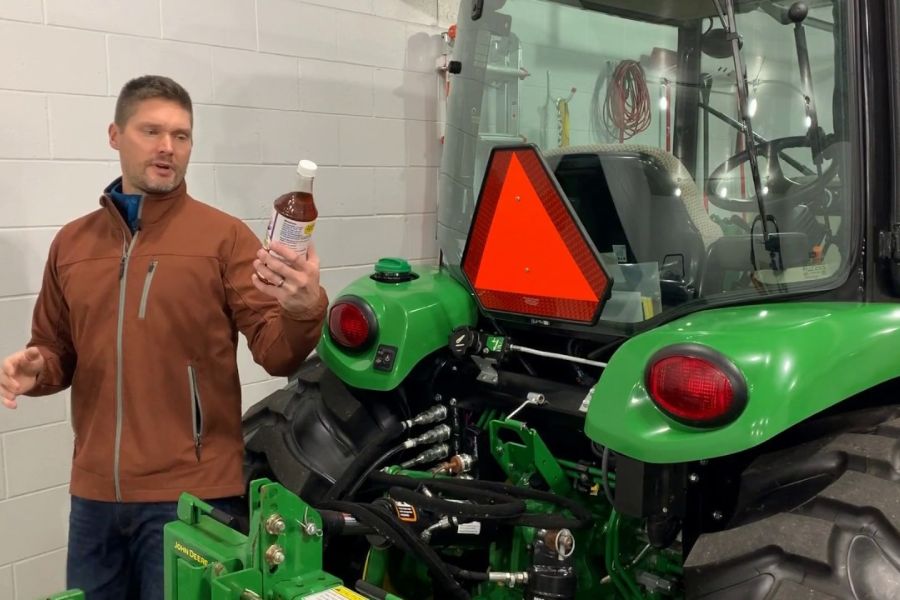
Winter fuel additives can make a significant difference as temperatures drop. They keep your diesel fuel from gelling – a problem that can prevent your engine from starting.
For the greatest results, always add the additives before the fuel becomes too cold. The fuel and additive must mix thoroughly while still warm. So, remember to pour it in immediately after refueling.
-
Do Not Mix Your Winterized Diesel Fuel With Additives
While some drivers like to add their own additives “just in case,” it is better not to combine them with winterized diesel fuel. This can break the blend’s chemical balance and lower its effectiveness.
If your station provides high-quality winterized diesel, keep it as is. It’s already designed to prevent gelling and provide dependable cold starts.
Cold Start Diesel Engine FAQs
How To Start Your Diesel Engine In The Best Way?
Before you start your diesel engine, let the glow plugs preheat the combustion chamber for a few seconds. Then, slowly crank the engine without using the accelerator.
Allow it to idle for a few minutes to circulate the warm oil throughout the system. This reduces wear and promotes smoother operation in cold temperatures.
What Are The Signs That My Diesel Fuel Is Starting To Gel?
If your engine cranks but does not start, or if you notice diminished power and harsh idling, your diesel fuel may have gelled. This occurs when paraffin wax in fuel solidifies at low temperatures.
To handle this, you can transfer the vehicle to a warmer area, install a block heater, or use an anti-gel additive to help melt the fuel.
At What Temperatures Does A Diesel Engine Not Start?
Diesel engines can struggle to start when temperatures fall below 0°F (-18°C). They may not start at all below -10°F (-23°C) without proper preparation.
Therefore, follow the above instructions, as using winterized diesel, block heaters, and low-temperature additives can make starting easier.
How To Handle Frozen Fuel?
If your diesel fuel has gelled, transfer the engine to a warmer location. Then, use a diesel anti-gel or fuel thawing additive to defrost the fuel. Do not place open flames or heaters directly on the tank, as this may be dangerous.
When the fuel gets liquefied again, you need to replace the filter and refill with winter blend fuel.
When Should I Change The Oil?
In cold weather, change your diesel engine oil before winter or every 5,000 to 7,000 miles, depending on your vehicle’s usage and the manufacturer’s recommendation.
Fresh oil flows more smoothly at low temperatures, which helps protect engine parts at startup. If you often drive in cold conditions, consider using a lighter-grade winter oil.
Checking your oil regularly throughout the winter can help the diesel engine start better.
Starting a Diesel Engine in Cold Weather – Is It Safe?
Yes, cold start diesel engine is safe as long as you take precautions. Warm the diesel engine first using glow plugs or a block heater, make sure your oil and coolant are ready, and avoid accelerating the engine immediately after starting.
Always give your engine time to warm up for a few minutes before driving.
Bottom Line
So, starting a cold start diesel engine is not too difficult, right?
Just some simple preparation steps can save you time, fuel, and expensive repairs later. We can call them “smart habits” to protect your engine all winter long. And anyone can do it!



Leave a Reply