
News
What Is a Box Blade & How To Use It? An Ultimate Guide
Oct
A box blade is a useful tool for farmers, landscapers, and property owners. It helps to shape, level, or maintain soil surfaces with accuracy.
You can use a box blade to maintain a gravel driveway or prepare soil for planting with professional-looking results.
In this article, we’ll go over everything you need to know about “What is a box blade?” – from how to use it effectively to how to keep it in great condition for years to come.
What Is a Box Blade?
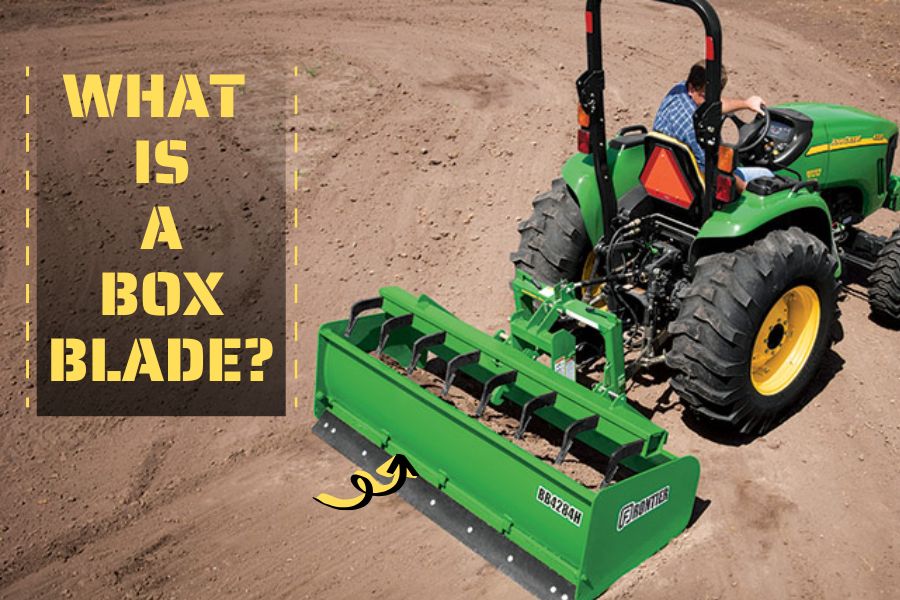
What is a box blade? It is a multifunctional tractor attachment that helps to make ground work easier and more productive.
It’s commonly attached to the back of a tractor, where it can easily smooth out uneven surfaces or restore driveways.
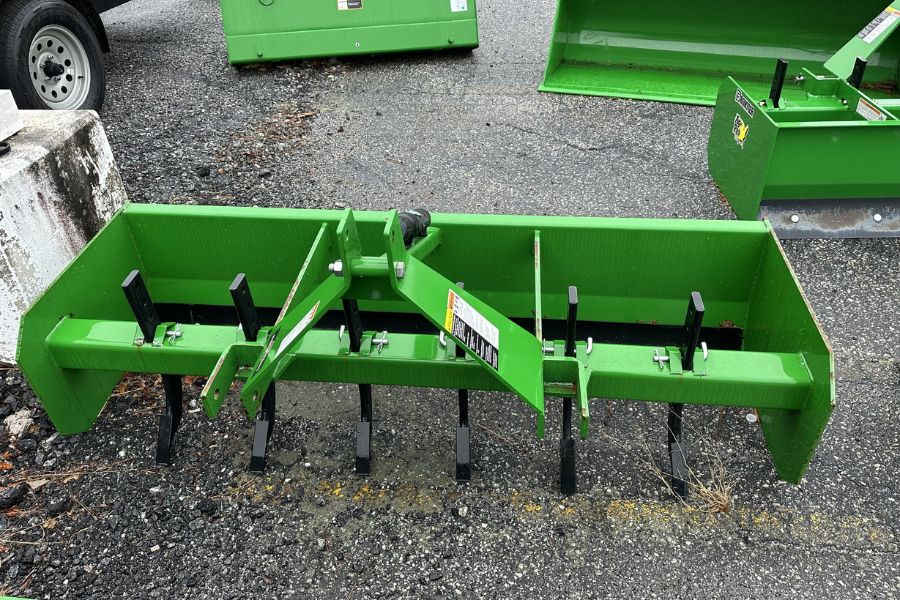
You will find a box blade that looks like a three-sided metal box. It is very sturdy with 2 scraping blades on the bottom. It also contains scarifiers with sharp metal teeth to dig into rough ground and loosen compacted soil.
With the help of a box blade, you can turn rugged or uneven terrain into a smooth, level surface just after a few passes.
What Can a Box Blade Be Used For?
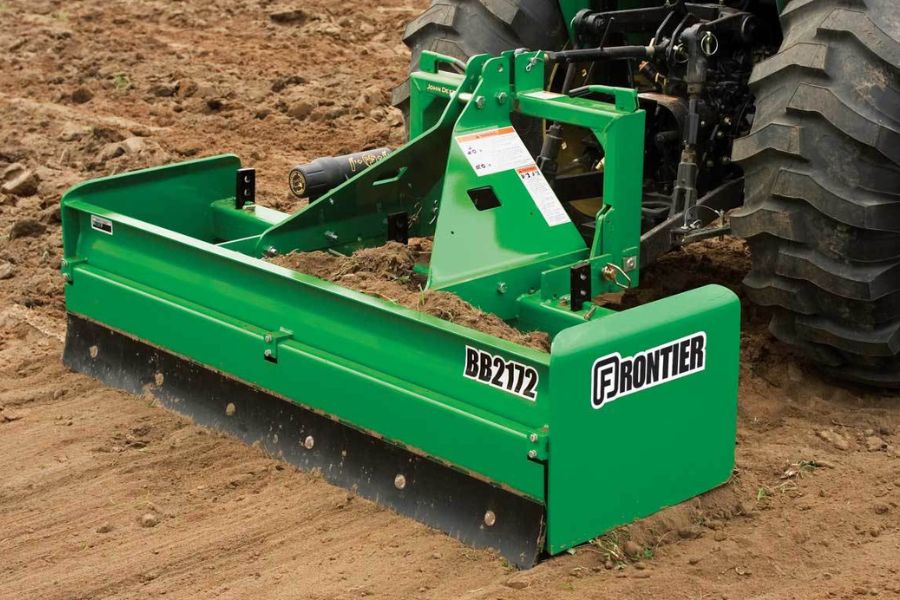
A box blade is one of the most useful attachments you should have for your tractor.
It’s ideal for grading, leveling driveways, filling ruts, loosening compacted soil, and backfilling areas after digging. A box blade can easily maintain gravel roads, reshape land, and spread soil evenly.
It can also be used for mild tilling. This is extra helpful for loosening the soil before planting or controlling weeds. Some people even use it to clear snow in the winter.
All you need to do is lower the blade and let it scrape the surface clean. A box blade is simple to install and control, saving you a lot of time and effort year-round.
How To Use a Box Blade?
Before you begin using a box blade, spend a few minutes reading the Operator’s Manual thoroughly. This will allow you to know how the equipment works and how to use it properly.
You will learn about the controls, adjustment points, and safety procedures. This not only keeps you safe but also guarantees that your work runs easily and efficiently.
Adjust the Top Link Before Scraping
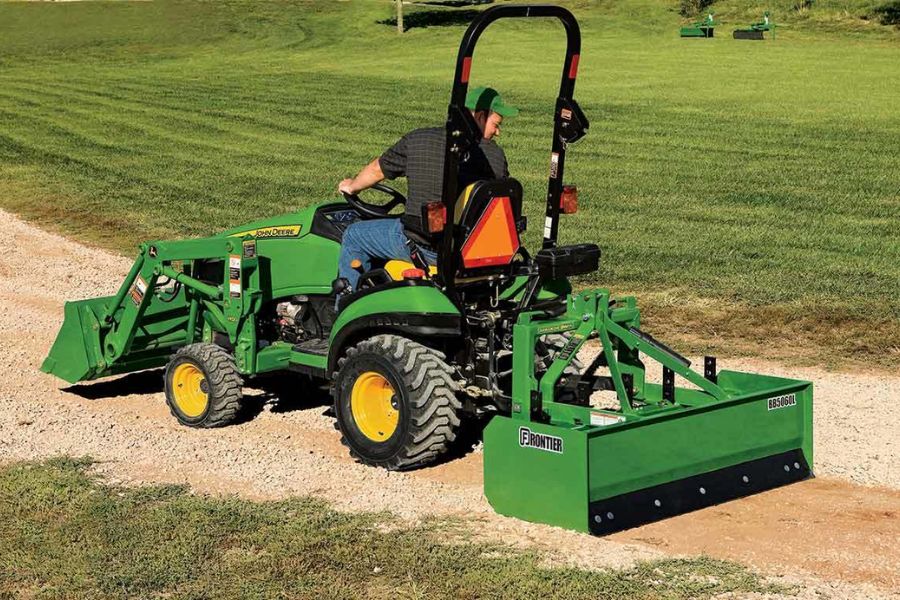
You can begin by adjusting the top link so that both the front and rear blades touch the ground. These 2 blades allow you to move forward and reverse easily. This is suitable for basic smoothing tasks.
If you want to remove more dirt or work more aggressively, shorten the top link and angle the blade slightly forward. This minor adjustment allows the front blade to dig in more effectively.
Place Scarifiers in the Correct Position
Lower and lock the scarifiers into place when working on uneven or lumpy ground. These sharp metal teeth dig into the soil, breaking up hard or compacted soil.
After loosening the ground, elevate the scarifiers and continue leveling with the smooth blade. This two-step procedure ensures a smooth, consistent finish as you want.
Level the Blade For the Tractor
After breaking up the soil, level the box blade on both sides. Then, slightly stretch the top link to tilt the blade upward slightly. The tip is to adjust the 3-point hitch to the “float” position.
This will allow the blade to run naturally over the surface. In this way, as you drive forward, the back blade smooths the dirt, creating a clean and level surface behind.
Note: Your box blade tool is attached to a 3-point hitch. The 3 points are made up of 2 lower link arms centered above an adjustable top link. Attaching the box blade tool is quick and simple, as each point has connecting pins.
Run Tractor Through Newly-Filled Holes
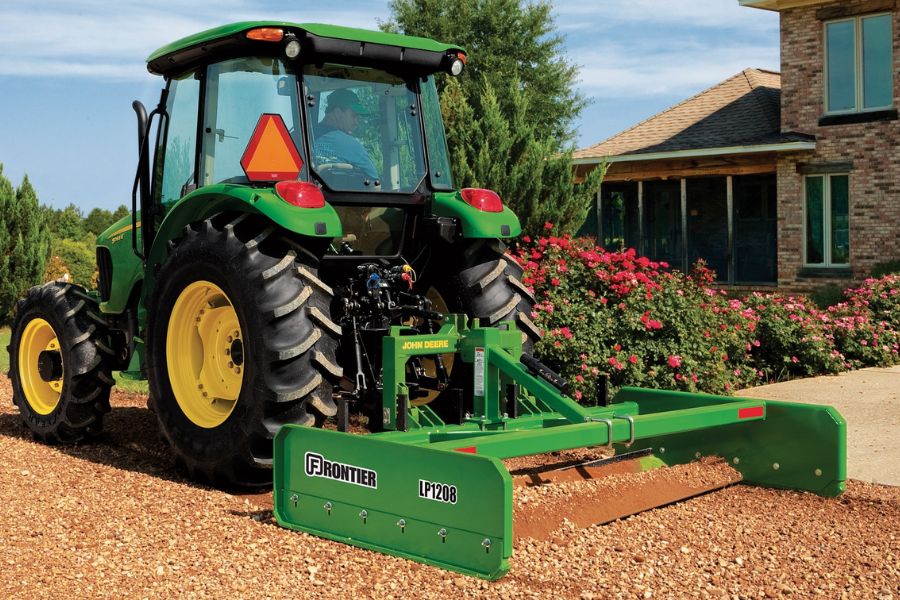
After filling low areas with gravel or soil, use your tractor to drive over them several times to compact the material. This keeps you from settling later.
Just add more material and repeat the process until the area is flat and hard, if it still appears sunken after packing. This step guarantees that your surface will remain sturdy and level over time.
How to Maintain Your Box Blade?
A box blade requires proper care to remain in excellent condition for many years, just like any other piece of tractor equipment.
After you’ve learn “what is a box blade” and how to use it, regular maintenance is essential to keep it operating safely and effectively.
Regular Inspections
Examine your box blade for a few minutes before and after each use. Check for worn-out components, loose bolts, or cracks, particularly near the scarifiers and cutting edges.
Early detection of minor problems avoids larger, more expensive repairs later. Additionally, ensure that the 3-point hitch connections are secure and undamaged.
Lubricate The Blade
Lubrication keeps moving parts from rusting and helps to reduce friction. You need to regularly oil or grease all fasteners, adjustment mechanisms, and pivot points.
Lubricate your box blade more frequently if you use it frequently or in wet environments.
Clean Your Box Blade
After each use, you should remove dirt, mud, or debris that may have built up on the blade or under the frame. These tips will prevent metal parts from rusting over time.
A quick rinse and a dry cloth wipe are usually enough to keep it clean. To deal with stubborn dirt, you can use a scraper or a wire brush.
Store Your Box Blade Properly
To prevent rain and sun damage, keep your box blade in a dry, covered place when not in use. Use a waterproof tarp to cover it if you have to leave it outside.
One useful tip is to always lower the blade to the ground when not in use to maintain stability and release pressure on the hydraulic arms.
Safety Precautions Before Using A Box Blade
Your work will be safer and run more smoothly if you take a few minutes to follow these procedures. They are all simple, but they will make a big difference in preventing risks and accidents.
The following are key safety precautions to keep in mind:
- Always read the operator’s manual carefully before using your box blade.
- Put on protective clothing, such as boots, gloves, closed-toe shoes, a helmet, and safety glasses.
- Before you begin, ensure the box blade is firmly attached to your tractor.
- When using the device, keep bystanders, pets, and people, especially children, at a safe distance.
- You should avoid placing your box blade on steep hills or uneven ground. This could cause the tractor to tip over.
- Check the working area and clear any big obstacles that can harm the blade or create unexpected shocks.
Final Thoughts
Now, you know “what is a box blade” and why it is one of the most useful tractor attachments you should have.
With proper use and regular maintenance, your box blade may last for years. You will be satisfied with how professional-looking the results are with the help of a box blade.