
News
What Is an Agronomist in Agriculture, & What Do They Do?
Nov
Modern farming today is not only about sowing seeds and watching them develop. It is a great blending of science and technology.
As you can see, a successful farm today relies on soil, crops, the environment, and experts. And agronomists are among the most crucial of those specialists.
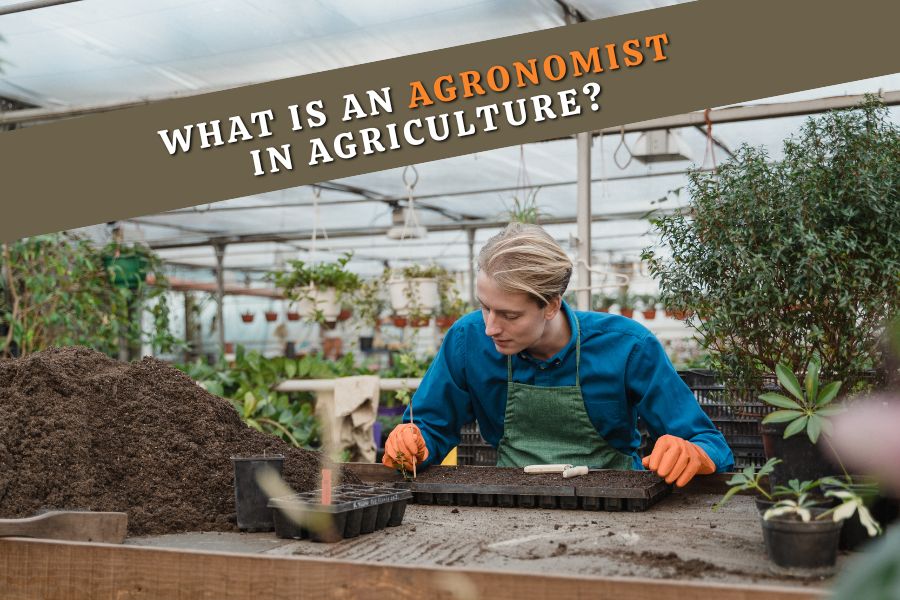
In this article, we’ll learn “What is an agronomist in agriculture?”. We also discover what they do and why their job is so important. Let’s get started!
What Is an Agronomist in Agriculture?
Tractors, fields, and crops – those are what often come to mind when thinking about farming. But behind every successful harvest, there’s usually an expert to guide the process. And that’s an agronomist.
So, what is an agronomist in agriculture? They are professionals who study plant development. They also find ways to make farms more productive.
They help farmers select the best seeds, improve soil health, and use water and fertilizer in the best way. Additionally, agronomists check the environment to ensure that farming practices safeguard natural resources.
They also help growers reduce waste and enhance yields. They ensure that farming achieves high productivity and maintains environmental friendliness. All this is for the benefit of future generations.
Types of Agronomists

Agronomists can specialize in a wide range of fields. This depends on their interests and the demands of the farming sector. Below are some of the most common types of agronomists:
- Crop Agronomist: Specializes in growing specific crops to increase their yield and quality.
- Soil Agronomist: Concentrates on soil health and fertility to improve crop yields.
- Forage Agronomist: Enhances the growth of pasture and hay crops for livestock feeding.
- Seed Agronomist: Create and test new crop types to increase resistance and productivity.
- Precision Agronomist: Plan precise fertilization, irrigation, and planting. GPS, sensors, and data tools are some common technologies used.
- Organic Agronomist: Guide farmers on organic and environmentally friendly farming methods.
- Environmental Agronomist: Works to conserve natural resources. They also try to cut the negative impact of agriculture on the environment.
- Crop Protection Agronomist: Creates plans to control diseases and pests with minimal chemicals.
- Cover Crop Agronomist: Promote cover crops to improve soil quality and prevent erosion.
- Agricultural Extension Agronomist: Shares knowledge based on research with farmers. Agronomists also assist nearby farmers by conducting outreach.
- Horticultural Agronomist: Focuses on fruit, vegetable, and decorative crop production.
- Sustainable Agriculture Agronomist: Specializes in sustainable agriculture. Their work is to protect both crops and the environment.
The Main Responsibilities of an Agronomist
Agronomists have many responsibilities that include a variety of tasks. They focus on ensuring healthy plant growth, higher yields, and environmental protection.
Soil & Crop Analysis, Disease & Irrigation Management
The main roles of an agronomist are to analyze crop and soil health to maximize growth. They also help to create and test new crop varieties. The purpose is to find ones that are resistant to diseases, pests, and climate change.
Agronomists carry out irrigation and fertilization programs. They make sure crops receive the proper amount of nutrients and water and reduce waste.
Research, Educational Outreach, & Technology Integration
Another key responsibility of an agronomist is to give farmers advice. He will share techniques on crop rotation, pest control, planting, and harvesting schedules.
They also engage in research and innovation projects. They will explore advanced technology and apply it to agriculture. Some common technologies are data analytics, precision farming, and sustainable farming practices.
Environmental Conservation
They also contribute to environmental conservation. They are responsible for preventing soil erosion, preserving water quality, and boosting biodiversity.
In short, agronomists serve as the link between science and agriculture. This means that farming can be productive without harming the environment.
How Agronomists Use Technology
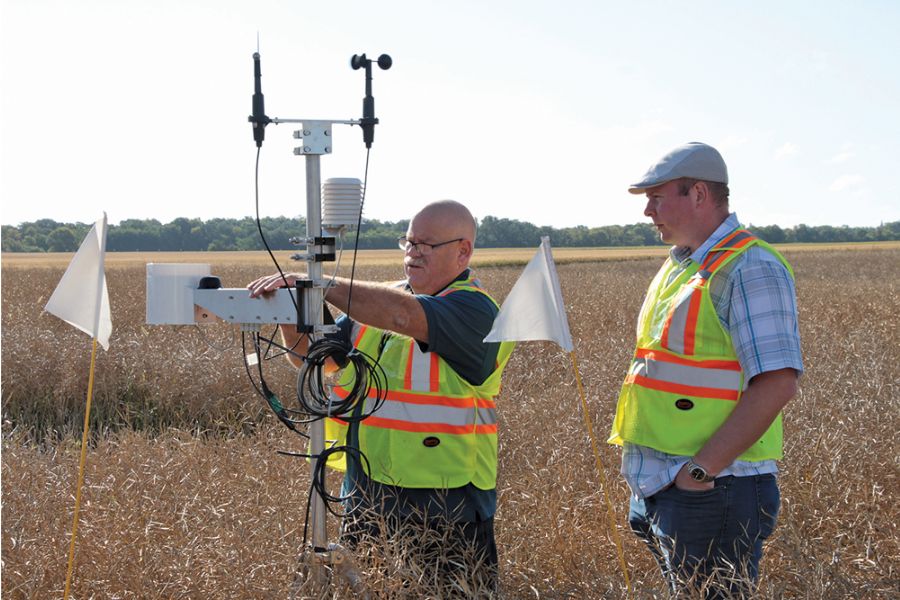
Today, agronomists rely significantly on technology to improve farming’s precision.
GPS and GIS mapping are the most important technologies that agronomists apply. They help to track yield zones, soil types, and field zones in a smart and effective way.
The next is remote sensing, like satellites, drones, or airplanes. Agronomists need to visit every acre. They may watch things like crop health, soil moisture, or pest outbreaks with ease.
Another tech that all agronomists need is sensors (Internet of Things devices). People place them in fields to collect real-time data on soil pH, temperature, and moisture.
Decision support systems (DSS) or analytical platforms allow agronomists to make better decisions. They can be about planting, fertilizing, and watering.
Agronomists use Variable Rate Technology (VRT) to apply pesticides and fertilizers. This method adapts to specific needs and reduces waste.
Career Opportunities for an Agronomist
Agronomy offers a wide range of exciting careers. They can work in both the public and private sectors.
Where Will an Agronomist Work?
Agronomists can choose from various jobs that fit their skills and interests. Depending on their area of expertise, an agronomist can work in:
- Cooperatives & Farms: Collaborate with farmers to optimize soil fertility and enhance crop yields. They also use modern farming technologies for the best results.
- Universities & Research Institutions: Carry out scientific studies and test crop varieties. Agronomists also instruct students in sustainable farming methods.
- Agribusiness & Seed Companies: Develop and promote new agricultural products. Agronomists also offer technical guidance and assist customers with data-driven solutions.
- Governmental Agencies: Support conservation efforts, develop agricultural projects, and manage agricultural policy.
- Environmental & Nonprofit Organizations: Encourage climate-resilient farming, soil conservation, and sustainable land use.
Some Farming-Related Careers
Agronomy links to many jobs in the agricultural sector. If you love working in this field, you can find one suitable for you, for sure. From research and technology to practical fieldwork, there is a path for you.
Below are some popular careers in agriculture:
- Agricultural engineer
- Agricultural worker
- Certified crop advisor
- Commercial daily farmer
- Soil & crop scientist
- Plant breeder
- Agriculture consultant
- Field scientist
- Precision agriculture specialist
- Horticulturist
- Greenhouse manager
- Livestock feed sales representative
- Animal scientist
- Climate change analyst
- Plant lab technician
Educational Requirements
To be an agronomist, you need to achieve at least a bachelor’s degree in agronomy, soil science, or a similar field. It usually takes 4 years to earn this degree.
High school students can start early by studying math, biology, and environmental science.
After earning a degree, agronomists will gain experience in the next 2 years. They can do that through internships or entry-level positions.
For research or advanced positions, they may need a professional certification or a master’s degree.
Additional Certificates
A degree in agronomy is usually enough for you to begin a career. But having more certifications will make you stand out and promote faster.
Employers will prefer applicants with professional certifications for specialized or higher-level roles. The following are 3 popular certifications:
- Certified Professional Agronomist (CPA):
This certification is from the American Society of Agronomy (ASA). You will have greater recognition in the field with a CPA.
- Certified Crop Adviser (CCA):
CCA is also a program of the ASA. It is suitable for crop consultants.
- Certified Professional Soil Scientist (CPSS):
You can get this certification from the Soil Science Society of America (SSSA).
Soil scientists should get CPSS to stay updated on best practices. Government agencies usually need this CPSS to identify suitable applicants.
Conclusion
So, agronomists are essential in determining the direction of productive and sustainable farming.
Understanding “What is an agronomist in agriculture?” helps us appreciate their labor. Now, we can understand how science and technology can advance modern farming.